April 24, 2026
Countertops play a central role in both the appearance and functionality of a home, making them one of the most influential features in kitchens and bathrooms. For homeowners considering upgrades or preparing to sell, the condition and quality of countertops can significantly shape buyer perception. Clean, modern surfaces suggest a well-maintained property, while outdated or worn materials can quickly diminish appeal.
Beyond aesthetics, countertops contribute to daily usability. They support cooking, entertaining, and general household tasks, meaning buyers often evaluate them with a practical lens as well as a visual one. Whether subtle or dramatic, updates to countertops can influence how quickly a home sells and the price it commands. Understanding how materials, finishes, customization, and color choices affect value allows homeowners to make more informed investment decisions.
What Materials Are Most Popular for Countertops?
Material selection is one of the most important factors when evaluating the impact of countertops on home value. Buyers often associate certain materials with durability, luxury, and long-term performance, which directly affects their willingness to pay a premium.
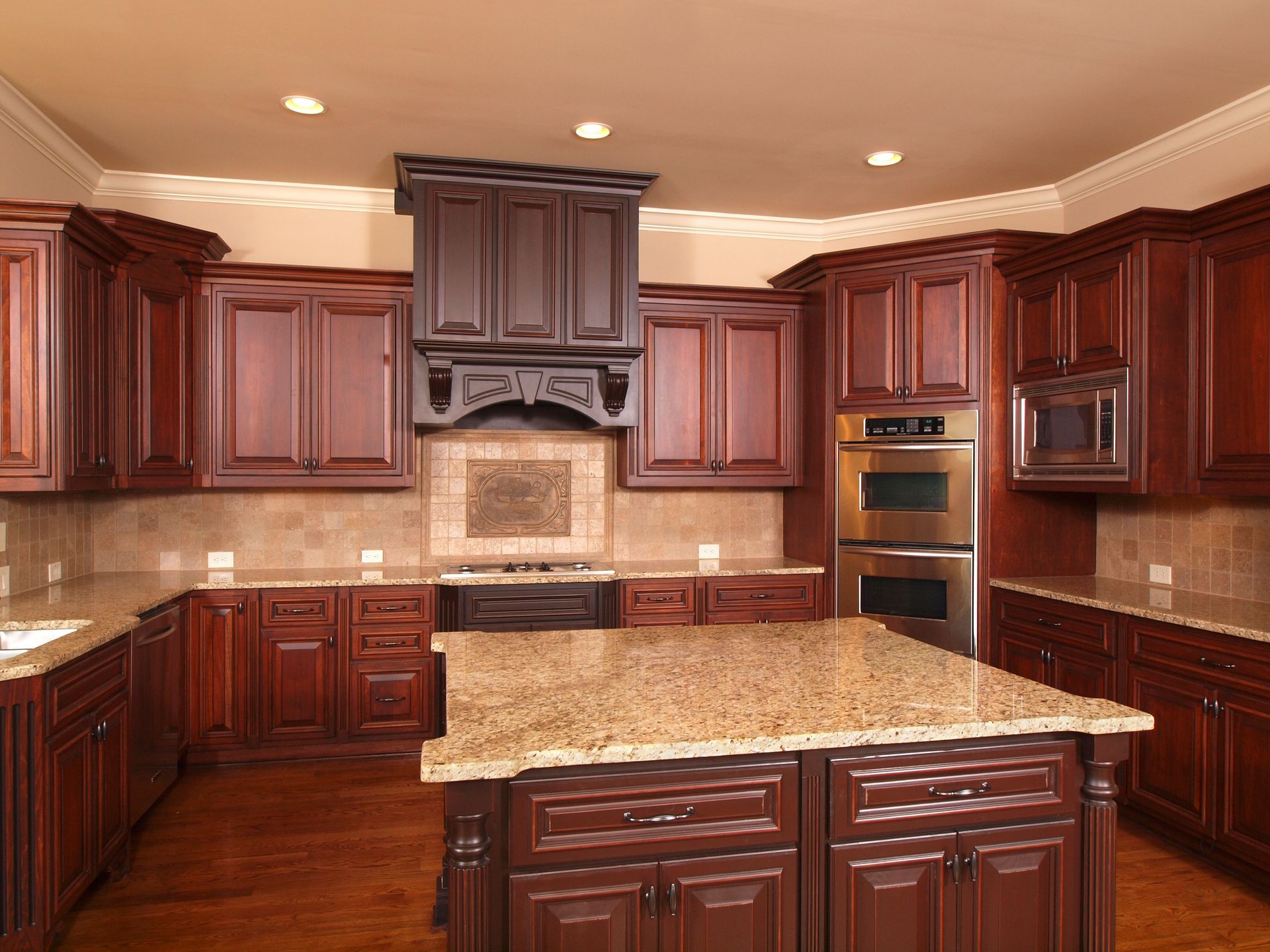
Granite remains a widely recognized option due to its natural beauty and strength. Homes with granite countertops tend to appeal to buyers seeking a balance between elegance and practicality. Quartz, however, has grown rapidly in popularity. As an engineered material, it offers consistency in appearance and requires less maintenance, making quartz countertops especially attractive to busy households.
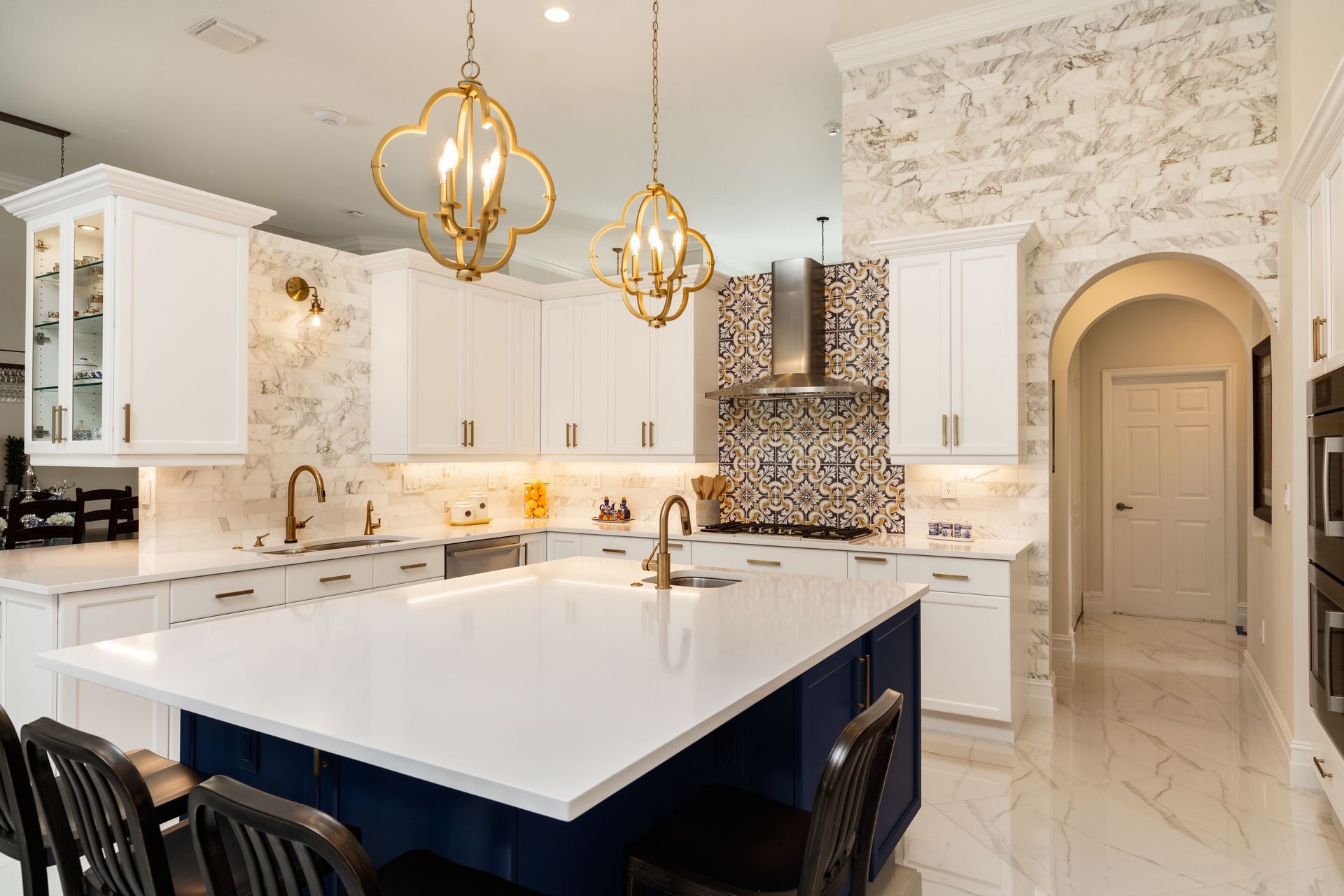
Marble countertops are often viewed as a high-end choice. Their distinctive veining creates a sophisticated look, but they require more care, which may deter some buyers. Still, in luxury homes, marble can elevate perceived value when properly maintained.
Laminate countertops, on the other hand, are typically considered a budget-friendly option. While modern laminate designs have improved significantly, they generally do not add as much value as natural or engineered stone. Buyers may see laminate as a surface that will need replacing, which can reduce offers.
Ultimately, the right material depends on the home’s price range and target market. High-end countertops can significantly boost appeal in upscale homes, while mid-range properties benefit most from durable, low-maintenance options that align with buyer expectations.
How Do Countertop Finishes Influence Resale Value?
The finish applied to countertops can subtly but meaningfully impact a home’s resale value. While material often takes center stage, the finish determines how the surface looks, feels, and performs under everyday use.
Polished countertops are the most common and widely accepted option. Their glossy surface reflects light, making kitchens and bathrooms feel brighter and more open. This finish also tends to highlight the natural patterns in stone, enhancing visual appeal. Because of its familiarity and versatility, polished countertops are often the safest choice for resale.
Honed countertops provide a matte finish that offers a softer, more understated look. This finish has gained popularity among homeowners seeking a contemporary or minimalist aesthetic. However, honed surfaces may show stains or fingerprints more easily, which could be a consideration for buyers focused on maintenance.
Leathered countertops introduce texture, creating a more tactile and unique surface. While they can add character, their appeal is somewhat niche. In the right design context, leathered countertops can enhance value, but they may not resonate with all buyers.
Choosing the right finish involves balancing style preferences with broad market appeal. Neutral, easy-to-maintain finishes tend to perform best when the goal is maximizing resale value.
Are Custom Countertops Worth the Investment?
Custom countertops can offer a distinctive edge, but whether they are worth the investment depends on the homeowner’s goals and the overall property value. Customization allows for tailored dimensions, unique edge profiles, and integrated features that standard options may not provide.
For homeowners planning to stay long-term, custom countertops can enhance daily living by improving functionality and design cohesion. Features such as waterfall edges, built-in cutting boards, or seamless backsplashes can create a high-end feel that elevates the entire space.
However, when viewed strictly as an investment, custom countertops may not always yield a full return. Highly personalized designs can limit buyer appeal if they diverge too far from mainstream tastes. Potential buyers may appreciate the craftsmanship but still prefer more neutral options.
That said, in higher-end homes, custom countertops often align with buyer expectations. In these markets, unique design elements can differentiate a property and justify a higher asking price. The key is to strike a balance between personalization and broad appeal, ensuring that custom features enhance rather than hinder resale potential.
How Do Countertop Colors Affect Home Value?
Color plays a powerful role in shaping how buyers perceive a home. Countertops serve as a visual anchor in kitchens and bathrooms, meaning their color can either harmonize with the space or create visual tension.
Neutral tones, such as whites, grays, and soft beiges, are the most widely appealing choices. These colors create a clean, timeless look that allows buyers to envision their own style within the space. Neutral countertops also pair well with a variety of cabinetry and flooring options, increasing flexibility.
Darker countertops, including deep browns or blacks, can add contrast and sophistication. When paired with lighter cabinets, they create a balanced and visually striking design. However, very dark surfaces may show scratches, dust, or water spots more easily, which could influence buyer perception.
Bold or unconventional colors can make a statement, but they carry more risk. Bright or highly patterned countertops may appeal to specific tastes while alienating others. In most cases, homeowners aiming to maximize resale value should prioritize colors with broad market appeal.
Consistency across the home is also important. Matching or coordinating countertops between kitchens and bathrooms can create a cohesive feel that enhances overall value.
What Is the Cost vs. Value of Replacing Countertops?
Replacing countertops is often viewed as one of the more accessible home improvements, but understanding the cost versus value is essential before investing. Prices can vary widely depending on material, size, and installation complexity, ranging from relatively affordable laminate upgrades to premium stone installations.
Despite the upfront cost, updated countertops frequently deliver a strong return. According to Fixr, improvements such as new flooring, updated countertops, refinished cabinets, and upgraded backsplashes can deliver a return on investment of up to 96%. This highlights the importance of cohesive upgrades, where countertops play a central role in the overall transformation.
In many cases, replacing outdated countertops can significantly improve a home’s marketability. Buyers often focus heavily on kitchens and bathrooms, and modern surfaces can make these spaces feel move-in ready. Even modest upgrades can lead to faster sales and more competitive offers.
However, it is important to avoid over-improving. Installing luxury countertops in a mid-range home may not yield proportional returns. Instead, homeowners should aim for materials and designs that align with neighborhood standards and buyer expectations.
When planned strategically, countertop replacement can be a cost-effective way to enhance both aesthetic appeal and property value.
Countertops influence home value in ways that extend beyond simple appearance. From material selection and finish to customization and color, each decision shapes how buyers perceive a property. Thoughtfully chosen countertops can elevate a space, improve functionality, and contribute to a higher resale price.
For homeowners, the key is balance. Investing in quality
countertops that align with the home’s style and market expectations can yield strong returns while enhancing everyday living. Whether preparing to sell or planning long-term improvements, countertops remain one of the most impactful upgrades to consider. If you're looking for new countertops, reach out to the team of professionals at BCG South Marble & Granite today!